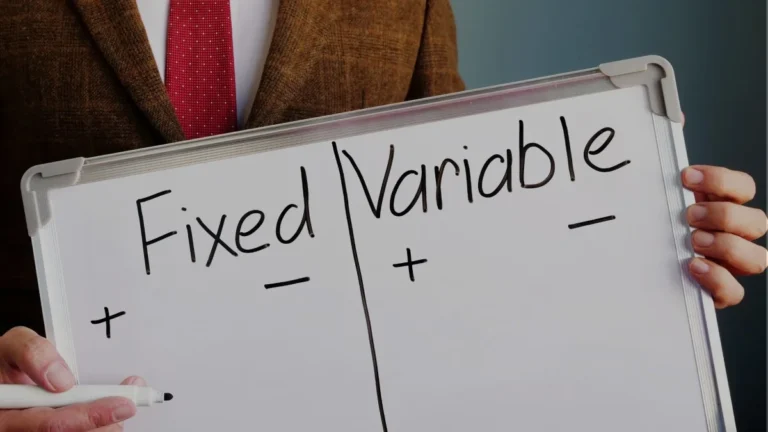

Help to Buy vs the 5% Deposit Scheme comes down to ownership, income and citizenship. Help to Buy is a shared equity scheme, where the Australian Government contributes up to 30% of an existing home’s price or up to 40% of a new home’s price. The 5% Deposit Scheme is a government guarantee that lets eligible buyers borrow with a 5% deposit and no lenders mortgage insurance.
A guarantor is the third route. According to Moneysmart (2026), a guarantor agrees to repay the loan if the borrower cannot. The guarantor may have to repay all of it.
Help to Buy caps taxable income at $103,000 for individuals and $165,000 for joint applicants and single parents, and it is open to Australian citizens only. The 5% Deposit Scheme has no income cap. It also accepts permanent residents.
Queensland price caps are $1,000,000 for Brisbane and the regional centres of the Gold Coast and Sunshine Coast, and $700,000 for the rest of the state, under both schemes. The comparison below uses Housing Australia, Queensland Government and Moneysmart sources. All were checked on 21 October 2026.
Help to Buy vs the 5% Deposit Scheme vs a Guarantor Quick Comparison
The quick comparison shows that Help to Buy shares ownership with the government, the 5% Deposit Scheme guarantees part of your loan, and a guarantor puts a family member’s asset behind it. Each option changes a different part of the purchase. That is why the rules differ.
At a Glance
The table below compares Help to Buy, the 5% Deposit Scheme and a guarantor home loan. It covers eight points that decide eligibility and cost.
| Feature | Help to Buy | 5% Deposit Scheme | Guarantor home loan |
|---|---|---|---|
| Type of help | Shared equity (government owns a share of the home) | Government guarantee to your lender | Family member backs the loan |
| Minimum deposit | 2% | 5% (2% for single parents and legal guardians) | Set by the lender |
| Income cap | $103,000 individual, $165,000 joint or single parent | None | None set by government, lender assesses serviceability |
| Who can apply | Australian citizens only | Australian citizens and permanent residents | Set by the lender |
| Queensland price cap | $1,000,000 capital city and regional centres, $700,000 elsewhere | $1,000,000 capital city and regional centres, $700,000 elsewhere | None set by government |
| Lenders mortgage insurance | Not required | Not charged while you meet the scheme conditions | Lender policy decides |
| Places per year | 10,000 | Unlimited | Not applicable |
| Who carries the risk | You and the government share gains and losses | Your lender is protected, you remain liable for the full loan | The guarantor may lose the asset used as security |
Which Option Suits Which Buyer
Help to Buy suits buyers under the income cap who want a smaller loan. The 5% Deposit Scheme suits buyers who have saved 5% and earn above the Help to Buy cap. A guarantor suits buyers with a family member willing and able to take on the risk. The situations further down apply those rules to real examples.
What Is Help to Buy?
Help to Buy is an Australian Government shared equity scheme. It pays up to 30% of an existing home’s price or up to 40% of a new home’s price in exchange for a matching share of the property. Housing Australia (2026) states that buyers pay no monthly repayments, rent or interest to the government on that share, and the scheme, which opened on 5 December 2025, offers 10,000 places a year.
How Help to Buy Works
Help to Buy works by combining a minimum 2% deposit from you, a home loan from a participating lender and a government contribution of up to 30% or 40%. The buyer owns the home, lives in it and is named on the title, while the government holds a financial interest that rises or falls with the home’s value. Housing Australia (2026) states that the government shares gains and losses in proportion to its equity. The split applies when the home is sold or the share is bought back.
Take a home that rises from $700,000 to $800,000. A 30% share of it is worth $240,000, not $210,000.
Help to Buy Eligibility and Price Caps
Help to Buy eligibility has seven main requirements. They come from the Housing Australia fact sheet (version 260701, 1 July 2026).
- Be an Australian citizen aged 18 or over.
- Hold taxable income at or below $103,000 as an individual, or $165,000 as joint applicants or a single parent, shown on the previous year’s Notice of Assessment.
- Own no property in Australia or overseas, with limited exceptions for single parents.
- Live in the home as your principal place of residence.
- Apply alone or with one other person.
- Receive no help from other shared equity schemes, or from loans or guarantees provided by states and territories.
- Buy at or under the price cap for the location.
Help to Buy price caps in Queensland are $1,000,000 for the capital city and regional centres (the Gold Coast and Sunshine Coast) and $700,000 for all other areas. Eligible homes include houses, townhouses, apartments and units, plus vacant land with an eligible building contract, and stamp duty concessions and first home owner grants remain available alongside Help to Buy.
Help to Buy Buy-Back and Exit Rules
Help to Buy ends in two ways. The buyer buys back the government’s share or sells the home. A partial buy-back must be at least 5% of the home’s current value, rounded to the nearest $1,000. A full buy-back repays the whole share.
Both are priced on the home’s value at the time of repayment, and the buyer pays for the valuation and administrative costs each time. Housing Australia (2026) reviews taxable income at least every 5 years. A buyer whose income exceeds the threshold for two financial years in a row may have to repay part or all of the government share, depending on financial capacity.
What Is the 5% Deposit Scheme?
The 5% Deposit Scheme is an Australian Government guarantee that lets eligible first home buyers buy with a 5% deposit and no lenders mortgage insurance. The Home Guarantee Scheme was rebranded as the 5% Deposit Scheme on 1 October 2025, when the government removed income caps, removed the limit on places and raised property price caps.
How the 5% Deposit Scheme Works
The 5% Deposit Scheme works through a government guarantee to a participating lender, and the guarantee lets the lender approve a loan with a smaller deposit. The buyer owns the whole home and takes the whole loan. According to the firsthomebuyers.gov.au FAQ (2026), the backing protects the lender, not the buyer. The buyer stays responsible for all repayments.
There are no fees to use the scheme. Buyers still pay normal purchase costs, such as stamp duty and legal fees, and after pre-approval a buyer has 90 days to find a home and sign a contract of sale.
5% Deposit Scheme Eligibility and Price Caps
The 5% Deposit Scheme has six main requirements. They appear on the firsthomebuyers.gov.au FAQ page.
- Be an Australian citizen or permanent resident aged 18 or over.
- Save a deposit of at least 5% of the home’s value, as assessed by the lender (2% for single parents and legal guardians).
- Own no home or land in Australia in the last 10 years, unless applying as a single parent or legal guardian.
- Move into the home within six months of settlement and live there while the guarantee is active.
- Buy at or under the price cap, which applies to both the purchase price and the lender’s valuation.
- Apply through a participating lender, never directly through Housing Australia.
The 5% Deposit Scheme price caps in Queensland match Help to Buy at $1,000,000 for the capital city and regional centres (the Gold Coast and Sunshine Coast) and $700,000 elsewhere. The cap depends on the postcode.
First home buyers can apply alone or with one other person, while single parents and legal guardians apply as individuals. Eligible homes include houses, townhouses, apartments, house and land packages, off-the-plan purchases and vacant land with a building contract.
What Is a Guarantor Home Loan?
A guarantor home loan is a loan where a second person agrees to repay the debt if the borrower cannot. Moneysmart (2026) states that a lender may ask for a guarantor when it will not lend to someone on their own, and that the guarantor may have to repay all of the loan plus interest.
How a Guarantor Home Loan Works
A guarantor home loan works by adding the guarantor’s promise as extra protection for the lender. The promise is often backed by an asset such as the guarantor’s home. Lenders decide the terms.
Moneysmart (2026) states that a guarantor can sometimes guarantee only part of a loan. An example is a set amount that covers part of the deposit.
Lenders set their own policy on guarantees. Policy covers who can act as guarantor and how a guarantee affects the deposit and lenders mortgage insurance. Moneysmart advises asking the lender to confirm the exact amount guaranteed, when it may reduce and when it can end. Family members who prefer not to guarantee can contribute money to the deposit instead.
Risks of Going Guarantor
Going guarantor carries four risks that Moneysmart (2026) lists in its guidance.
- Repay the entire debt plus interest if the borrower defaults.
- Lose the asset used as security, such as a home or car, if the debt goes unpaid.
- Face a lender refusal on future loans, even when the borrower keeps up repayments.
- Carry a default on a credit report if the guaranteed loan is not repaid.
Who protects the guarantor? Moneysmart recommends independent legal or financial advice before signing, and free legal advice and financial counselling are available. A guarantee can also strain a family relationship. That happens when the borrower falls behind.
Help to Buy vs the 5% Deposit Scheme, 4 Key Differences
Help to Buy and the 5% Deposit Scheme differ in four ways, ownership structure, eligibility limits, lender access and exit costs. Both schemes help buyers with small deposits, both need a participating lender and both cap Queensland prices at $1,000,000 and $700,000. Everything else separates them.
Difference 1, Ownership and Loan Size

Help to Buy lowers the loan by handing part of the purchase to the government. The 5% Deposit Scheme keeps the loan large and the ownership whole. What does that mean in dollars? The table below shows a $700,000 existing home and a $700,000 new home, using the official percentages.
| Item | Help to Buy, existing home | Help to Buy, new home | 5% Deposit Scheme |
|---|---|---|---|
| Purchase price | $700,000 | $700,000 | $700,000 |
| Minimum deposit | $14,000 (2%) | $14,000 (2%) | $35,000 (5%) |
| Maximum government contribution | $210,000 (30%) | $280,000 (40%) | None |
| Home loan | $476,000 | $406,000 | $665,000 |
| Loan as share of price | 68% | 58% | 95% |
| Government owns a share of the home | Yes | Yes | No |
The government contribution is a maximum. Housing Australia asks buyers to put in the largest deposit they can reasonably afford. Stamp duty, legal fees and mortgage registration are extra costs in every column. Neither scheme pays the deposit.
Difference 2, Income and Citizenship Limits
The Help to Buy scheme limits who qualifies. The 5% Deposit Scheme does not. A single buyer earning $95,000 sits under the $103,000 Help to Buy cap, while a single buyer earning $130,000 sits over it. Both can use the 5% Deposit Scheme.
Citizenship works the same way. A permanent resident cannot use Help to Buy. The 5% Deposit Scheme accepts both citizens and permanent residents aged 18 or over.
Property ownership matters too. Help to Buy excludes anyone who owns property in Australia or overseas. The 5% Deposit Scheme excludes anyone who owned a home or land in Australia in the last 10 years.
Difference 3, Lender Access
The Help to Buy scheme has far fewer participating lenders than the 5% Deposit Scheme. Not all of them accept applications through brokers. Who can lodge the application? The Adviser (2026) reported on 6 October 2026 that four lenders take part in Help to Buy, namely Commonwealth Bank, Bank Australia, Teachers Mutual Bank and Queensland Country Bank.
The same report states that Bank Australia and Queensland Country Bank accept broker applications, while Teachers Mutual Bank is phasing broker access in through trained brokers. Authorised 5% Deposit Scheme lenders operate across Australia, according to the firsthomebuyers.gov.au FAQ (2026). Broker access varies by lender. Check the current list on firsthomebuyers.gov.au before choosing a scheme, because lenders join over time.
Difference 4, Costs and Exit
Help to Buy has no monthly payment to the government. What does exit cost? Exit still requires a valuation and a repayment priced at the home’s current value, which the buyer funds from savings or a larger loan.
The government’s share of a Help to Buy home grows when the home’s value grows. The 5% Deposit Scheme carries no shared equity repayment, because the buyer keeps all growth and repays the full loan.
The 5% Deposit Scheme has its own conditions. A buyer who does not move in within six months, or who moves out while the guarantee is active, may be asked by the lender to pay lenders mortgage insurance.
Compare Your Scheme Options With a Brisbane Mortgage Broker
MC Mortgage Solutions checks Help to Buy, 5% Deposit Scheme and guarantor options against your income, deposit and target price. It is a Manly mortgage broker with access to 30+ lenders and 200+ loan products. Call 07 3893 3208 or read the First Home Buyer Loans guide to see how the process runs. Australian Credit Licence 394061.
When to Choose Each Option
The right option between Help to Buy, the 5% Deposit Scheme and a guarantor depends on four facts, your income, your citizenship, your deposit and the price. Neither scheme guarantees approval. The situations below apply the official rules, and a lender still assesses the loan itself.
Situations That Point to Help to Buy
Help to Buy fits buyers whose circumstances match all of its limits at once. The pattern is a taxable income under the cap and Australian citizenship. It also needs no property owned anywhere, a deposit of 2% or more and a price under the cap.
- A single citizen earning $95,000 with a 3% deposit sits under the $103,000 income cap.
- A couple earning $150,000 combined and building a new home sits under the $165,000 cap, and the government can contribute up to 40% of the price.
- A single parent earning $150,000 with a 2% deposit sits under the $165,000 single-parent cap.
Situations That Point to the 5% Deposit Scheme
The 5% Deposit Scheme fits buyers who miss one Help to Buy limit but hold a 5% deposit. Missing a limit is common, because the Help to Buy income cap, citizenship rule and overseas property rule each exclude buyers who qualify for the 5% Deposit Scheme.
- A single buyer earning $130,000 with a 5% deposit sits above the Help to Buy cap.
- A permanent resident with a 5% deposit cannot use Help to Buy.
- A buyer who owns property overseas cannot use Help to Buy.
Situations That Point to a Guarantor
A guarantor home loan fits buyers who miss both schemes or want a price above the scheme caps. A deposit under 5% for a buyer who is not a single parent falls outside the 5% Deposit Scheme. A home priced above $1,000,000 in Brisbane falls outside both schemes, and so does a home above $700,000 outside the capital city and regional centres.
The guarantor then carries the risks Moneysmart (2026) describes. Independent advice comes before signing. The lender’s own policy decides whether a guarantee is accepted and how it is structured.
Can You Combine Help to Buy, the 5% Deposit Scheme and a Guarantor?
Help to Buy and the 5% Deposit Scheme cannot be used together on one purchase, and a guarantor depends on the lender. The Help to Buy Customer Guide (2026) bars applicants from receiving help from other government shared equity schemes or home buyer guarantees, and the 5% Deposit Scheme is a home buyer guarantee.
Two Government Schemes on One Purchase
Using Help to Buy and the 5% Deposit Scheme together is not permitted, so a buyer selects one based on the income, citizenship and deposit tests above. Housing Australia also bars Help to Buy applicants from receiving help from state or territory shared equity schemes, loans or guarantees. That rule covers Queensland’s Boost to Buy.
A Family Guarantee Alongside a Scheme
A family guarantee alongside Help to Buy or the 5% Deposit Scheme is a lender decision. The government pages reviewed do not address private family guarantees. Each lender sets its own policy. Ask the lender first.
Queensland Grants and Schemes Beyond These Three
Queensland adds its own first home help on top of Help to Buy, the 5% Deposit Scheme and a guarantor. The Housing Australia fact sheet states that stamp duty concessions and first home owner grants remain available to Help to Buy buyers.
First Home Owner Grant and Transfer Duty Concession
The Queensland first home owner grant sits alongside Help to Buy and the 5% Deposit Scheme and pays $15,000 or $30,000 to eligible first home buyers of new homes. The qld.gov.au page (2026) states that the $30,000 grant continues for contracts signed from 1 July 2026. It applies only to new homes valued under $750,000 including land. Established homes receive no grant.
Established-home buyers may qualify for a first home transfer duty concession instead, and from 1 August 2026 the Queensland Revenue Office (2026) limits home concessions to Australian citizens, permanent residents and specified foreign retirees. The post Queensland First Home Buyer Stamp Duty and Concessions (2026 Guide) covers the duty rules in detail.
Boost to Buy
Boost to Buy is a Queensland shared equity scheme, separate from the federal Help to Buy scheme, that contributes up to 30% for new homes and up to 25% for existing homes. Queensland Treasury (2026) sets a $1 million price limit and a 2% minimum deposit. The 2026 income limits are $155,000 for an individual and $232,000 for two adults or a single applicant with dependants.
Is it open now? The Treasury overview, updated 30 September 2026, states that $330 million supports up to 2,000 first home buyers, and that South East Queensland appointments in round 2 were all allocated. Buyers choose an approved lender.
Places are allocated first-come, first-served. Check the Queensland Treasury page for current availability, because the scheme runs in rounds.
How to Compare the Options Before You Apply
Comparing Help to Buy, the 5% Deposit Scheme and a guarantor loan takes five steps. Each step uses a figure that the official pages ask buyers to confirm.
- Check your taxable income against the $103,000 and $165,000 Help to Buy caps, using your last Notice of Assessment.
- Search the postcode of the home on the firsthomebuyers.gov.au price cap tool, and confirm the cap with the lender.
- Confirm your citizenship status and whether you have owned property in Australia or overseas.
- Obtain conditional approval before bidding at auction or paying a deposit under Help to Buy, and note the 90-day window after pre-approval under the 5% Deposit Scheme. Read the Home Loan Pre-Approval guide for that step.
- Seek independent legal or financial advice before a family member signs a guarantee.
Book a Free Low Deposit Home Loan Review in Manly
A low deposit home loan review at MC Mortgage Solutions shows which of Help to Buy, the 5% Deposit Scheme or a guarantor your numbers allow. The service costs most clients nothing, because lenders pay commission after settlement. Read about Low Deposit Home Loans or call 07 3893 3208. Australian Credit Licence 394061.
Frequently Asked Questions About Help to Buy, the 5% Deposit Scheme and Guarantors
What is the difference between Help to Buy and the 5% Deposit Scheme?
Help to Buy is a shared equity scheme where the government owns up to 30% or 40% of the home. The 5% Deposit Scheme is a guarantee, so the buyer owns the whole home and takes the whole loan. Help to Buy needs 2% and the 5% Deposit Scheme needs 5%.
Can I use Help to Buy and the 5% Deposit Scheme together?
No, Help to Buy and the 5% Deposit Scheme cannot be combined on one purchase. The Help to Buy Customer Guide bars applicants from receiving help from other government shared equity schemes or home buyer guarantees. A buyer chooses one scheme.
What income cap applies to Help to Buy compared with the 5% Deposit Scheme?
Help to Buy caps taxable income at $103,000 for individuals and $165,000 for joint applicants and single parents, and it checks income against the Notice of Assessment for the previous financial year. The 5% Deposit Scheme has had no income cap since 1 October 2025.
What are the Queensland price caps for Help to Buy and the 5% Deposit Scheme?
Help to Buy and the 5% Deposit Scheme both cap Queensland prices at $1,000,000 for the capital city and regional centres (the Gold Coast and Sunshine Coast) and $700,000 for other areas. The cap applies to the purchase price. Under the 5% Deposit Scheme it also applies to the lender’s valuation, and the firsthomebuyers.gov.au postcode tool shows the cap for a specific location.
Can a permanent resident use Help to Buy or the 5% Deposit Scheme?
A permanent resident can use the 5% Deposit Scheme but not Help to Buy. Help to Buy is open to Australian citizens only. The 5% Deposit Scheme accepts citizens and permanent residents aged 18 or over.
Do Help to Buy and the 5% Deposit Scheme avoid lenders mortgage insurance?
Yes, Help to Buy and the 5% Deposit Scheme both avoid lenders mortgage insurance while the buyer meets the scheme conditions. Moneysmart (2019) defines lenders mortgage insurance as a cost usually paid when the amount borrowed exceeds 80% of the property’s value. A buyer under the 5% Deposit Scheme may be asked to pay it. That can follow an early move out or a failure to move in within six months.
Does a guarantor have to repay the whole home loan?
A guarantor may have to repay the whole loan plus interest if the borrower cannot, according to Moneysmart (2026). Some guarantees cover only a set amount, such as part of the deposit. The lender confirms the exact amount, when it may reduce and when it can end.
Do I pay the government rent or interest under Help to Buy?
No, Help to Buy carries no rent, interest or monthly repayment to the government. The government’s share rises and falls with the home’s value. A buyer repays it through a buy-back of at least 5% of the home’s value, or in full. Selling the home also repays it.
Do Help to Buy lenders accept applications through a mortgage broker?
Some Help to Buy lenders accept broker applications. The list is changing. The Adviser (2026) reported on 6 October 2026 that Bank Australia and Queensland Country Bank accept them.
Teachers Mutual Bank is phasing broker access in. Check the current participating lender list on firsthomebuyers.gov.au before applying.
Where to Go Next
These pages cover Help to Buy, the 5% Deposit Scheme and related first home buyer topics.
Sources for the Help to Buy, 5% Deposit Scheme and guarantor facts in this post are listed below.
- Help to Buy scheme
- Help to Buy Fact Sheet
- Help to Buy Customer Guide
- 5% Deposit Scheme FAQs
- 5% Deposit Scheme property price caps
- Moneysmart on going guarantor on a loan
- Queensland Boost to Buy
- Queensland first home owner grant
- The Adviser report on Help to Buy lenders
General information only. It is not credit advice and does not take your personal situation into account. Scheme rules, income caps and price caps change, so ask us to check current criteria before you apply. MC Mortgage Solutions, Australian Credit Licence 394061 (ACN 128 555 902), 138 Kingsley Tce, Manly QLD 4179, 07 3893 3208 and 1300 633 667.